Interventions in rural South Sudan have often failed not for lack of technology but for lack of ownership. Equipment installed by outsiders too often stands idle once the project team leaves.
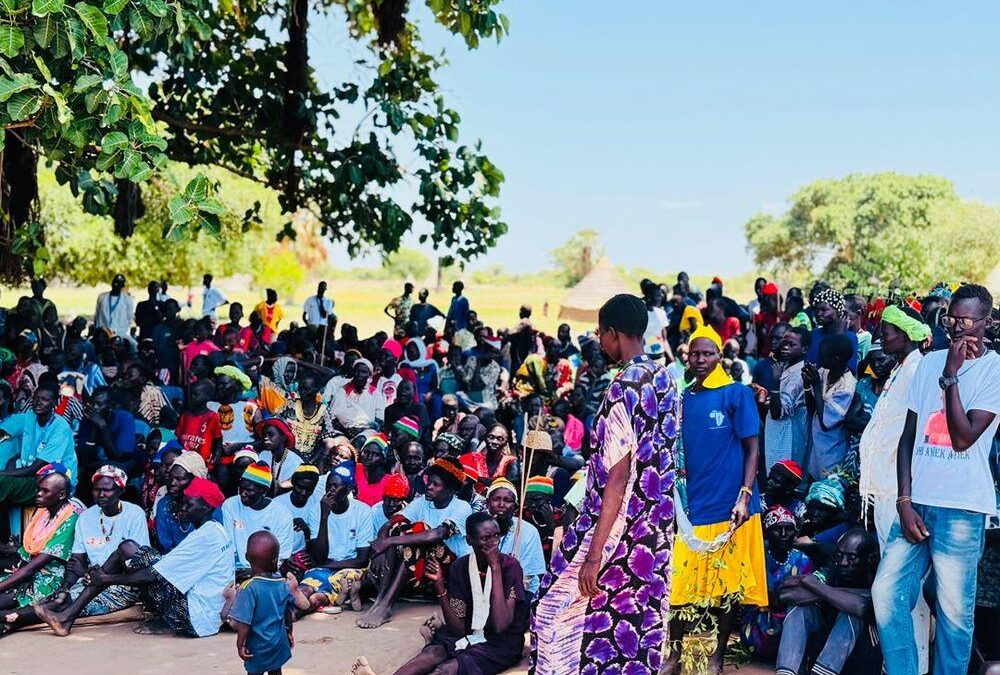
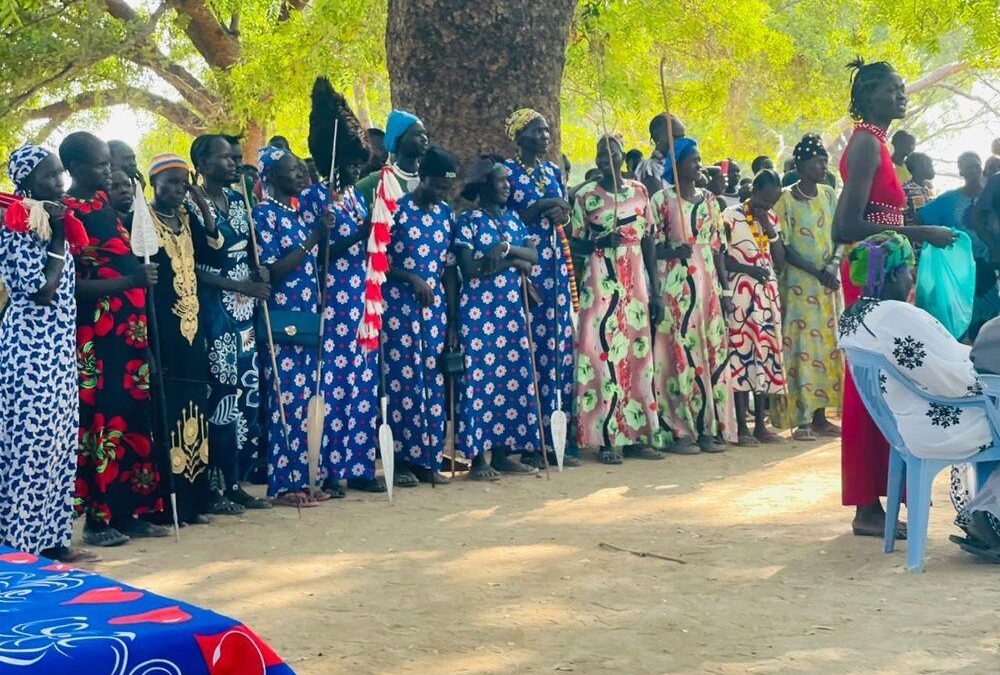
ALDO's model puts the community in charge from the first day. Its mobilizers live and work alongside residents, and households themselves organize the work and manage shared resources. Maintenance stops being someone else's problem because the asset belongs to the people who depend on it.
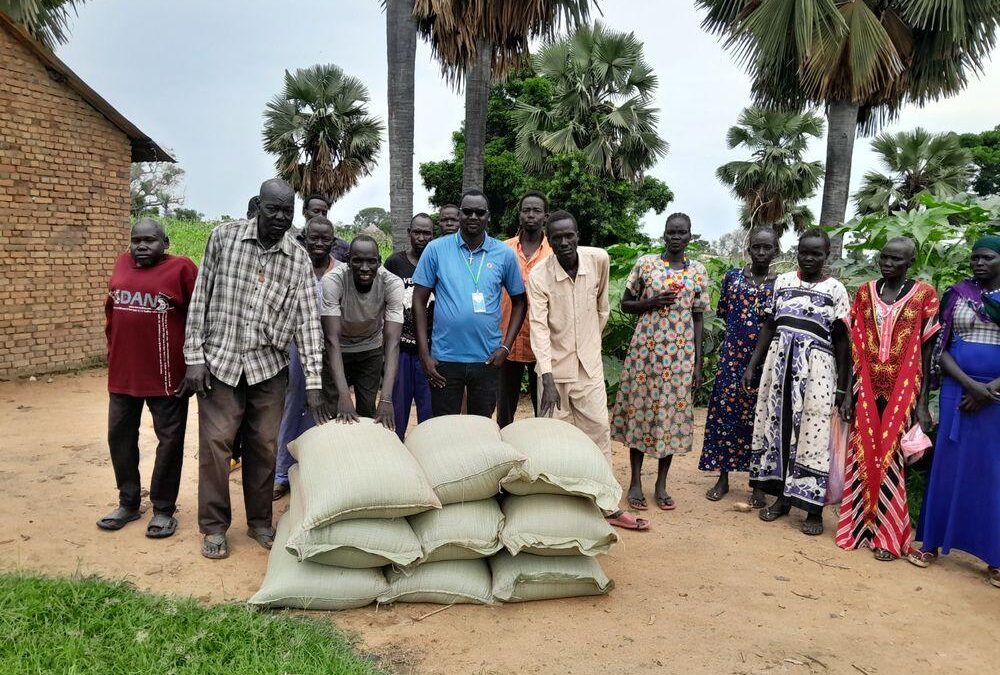
The lesson generalizes. Whether the input is seed, a tool, or training, the returns compound only when the community owns both the work and its results.